
Family Roots
Family genealogy and self-written history

Chronic diarrhea is always a surprise, but something about the curve of the type-written font makes it even more so.
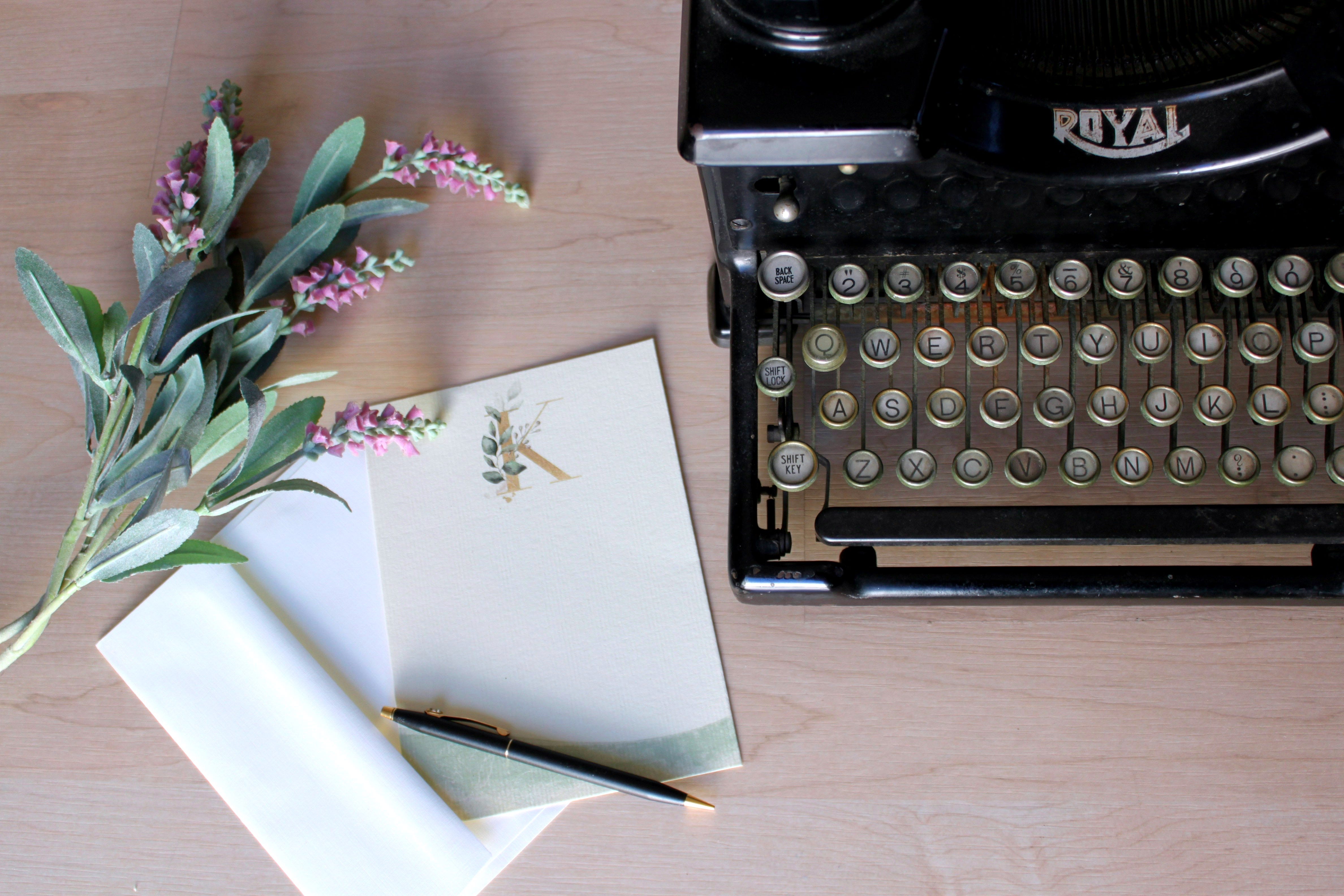
It’s a little before midnight, and my laughter bursts out before it can be stopped. I am on the first page of a family history written by my great-uncle, and it only took two hundred words for the narrative of my family history to reach uncontrollable bowel movements. I’ve been shit out of luck recently, so the fact that literal shit resulted in an ancestor’s discharge from the Union Army is an irony I can’t help but appreciate. It’s later noted to be lucky, as he’d been promised for Gettysburg. It gives me hope for my luck.
The author of this piece, my great-uncle, little though I knew him, had a flair for the dramatic and a keen nose for research. He reports how he’d sent a letter to the Bureau of Military Service Records in Washington, D.C., wondering what had happened to our family to avoid the Civil War. They’d been kind enough to provide a full, albeit sterile, account. Neither my Uncle Ed nor I would exist without Great-Great-Great-Grandfather Simeon landing himself, quite literally, in deep shit.
This was not the last time a member of our family did this metaphorically. Three pages in, there is another tale about a stolen rum barrel and my great-great-grandfather almost coming to blows with his father-in-law (who owned the rum), but luckily, my family line is strong enough to survive a few stubborn and easily riled old men.
Or maybe it’s that my great-great-grandmother was smart enough to replace the rum in the barrel before her father remembered it the next morning. Stubborn men and clever women– it’s not the worst lineage, and it comes with more twists and turns than I bargained for. I’d predicted the reading to be a slog due to the nature of family histories and my incorrect preconceived notions of my great-uncle as being wordy and wandering, but it isn’t.
Reminded of his mortality in 1996, my great-uncle started the manuscript. No one today can remember why, but the preface to the piece (named “The Little House Under the Maples” with plenty of title repetition) speaks to a fear that family history will be forgotten. No one can remember the medical reason behind the manuscript’s conception; it’s another irony. Now that my grandmother is gone, the last of her generation in our family to be alive, it seems that Uncle Ed was right to be concerned.
There are so many stories I wish I’d asked about, more than I’ll ever know, and none that I’ll ever learn of now. Granted, the family Uncle Ed writes of, my grandmother only joined in the 1950s. This is not her story, although she is the one who raised the brood of children that have allowed the family to live on.
In the foreword, Great-Uncle Edwin mentions that all family documents will be handed down to whoever is the most involved in family genealogy, to then pass on to anyone equally interested. This is how I got it. My Aunt Bessie, keeper of schedules and documents and the one who taught me how to cook cinnamon pinwheels, handed me the manuscript in a manila envelope during an impromptu visit.
It sat unread for longer than it should, the dread of having to pretend to like it stronger than my intrigue. In the end, I read it out of a sense of obligation. I didn’t get much farther than the foreword before it had to be read again and a third time. It’s startling to have someone speak to you when you thought they couldn’t. His foreword states:
[S]kimpy and unprofessional as it may be, I hope it will serve some useful purpose to descendants of Ralph and myself who might have reason to know about their roots, to answer some question that they might have, to settle a family argument, or simply to refresh their memory of the little house under the maples and its occupants. If it accomplishes any of these things, or even gives some family member a few minutes of nostalgic pleasure, then it has served its purpose. - E. H.
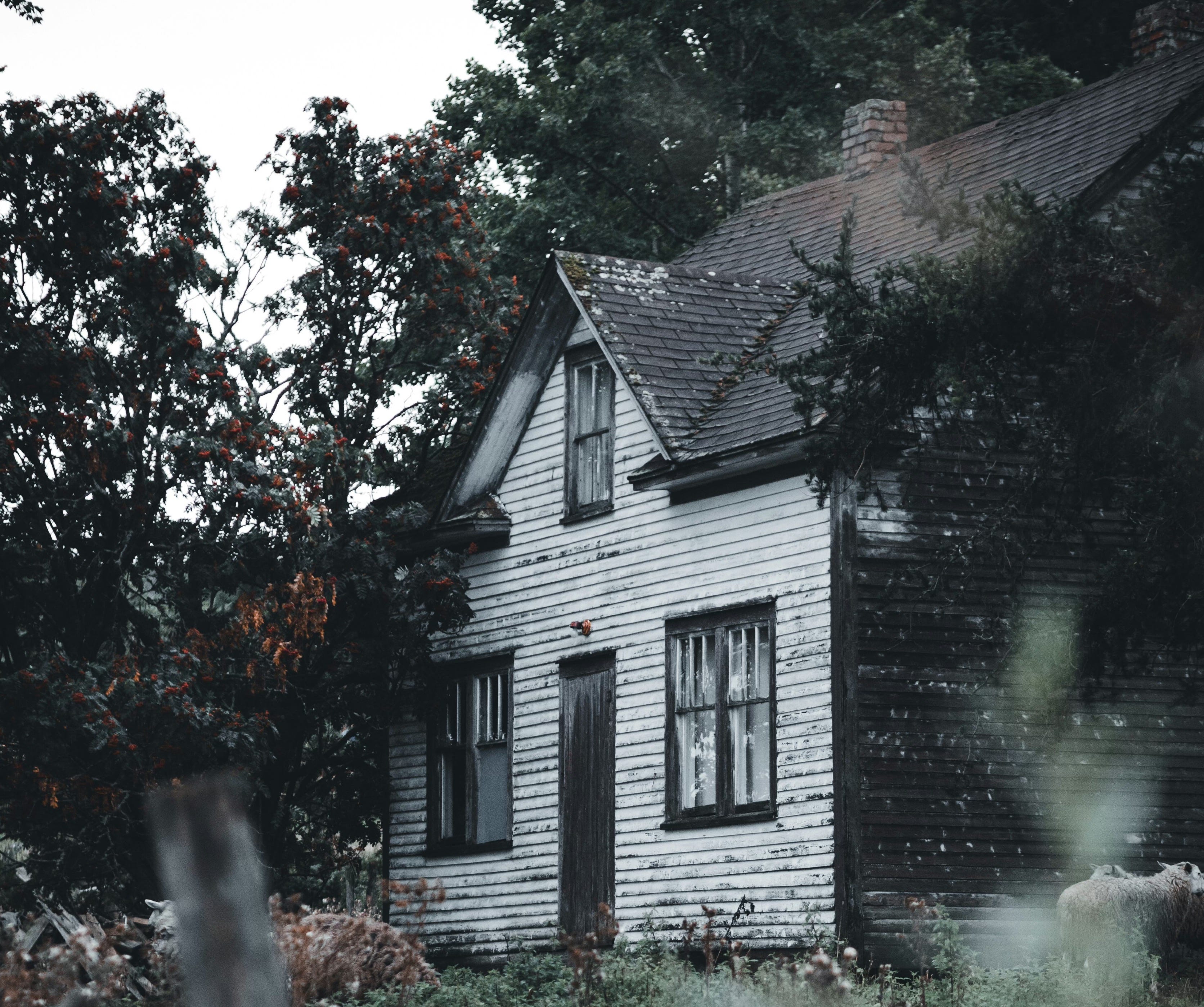
After the rum anecdote, the document continues in a similar way, the rum incident being the first of many. It hardly drags. Sometimes it gets confused in itself, but it’s not at all what I thought, although it leaves me silent. It’s a reality check more than a narrative. I spend much of my time thinking of myself as a writer of things and a keeper of family lore, going after leads and tracking down old numbers in an attempt to fix wrongs I wasn’t alive for and solve problems I never caused.
Yet, often when I sit down to write about them, I feel inadequate. While my mother’s family history is well-documented thanks to Uncle Ed, my father’s is a mystery. I am scared to get it wrong, as I always am when it comes to writing, but more rests on family lore than your average fiction piece. When no one is alive to tell the stories, to speak of people long dead, the piece I would write would be the only source of history. There is no alternative, no record, no sacred journal, and all I have is inference and conjecture.
As a researcher, it doesn’t feel sturdy enough, but if I do not do it, it will be lost forever. It is for this reason that I feel empathy for an uncle I was never close to, but would’ve been, had circumstances allowed.
It took twenty-seven years for his manuscript to fulfill its whole purpose, and he’s been dead for seven of them. It’s odd to feel a kinship to a piece of paper and a faded memory of a man more similar to me in interests than any family member still alive. A better title for this piece, my piece, the one I write currently, would've been Serendipity or maybe even Kin-Finding. In the absence of the people themselves, I look for their ghosts in my uncle’s writing, searching for a feeling similar to my grandmother’s hug, and yet I come up empty.